The Grout Guide: Types, Color and Care
Grout is the unsung half of every tile job: it fills the joints, locks the field together, absorbs tiny movements and — chosen badly — ruins the look of good tile or fails years early. This guide covers the types you will meet, how wide joints should be, how to pick a color without regret, and the sealing and cleaning routine that keeps grout looking new.
What grout actually does
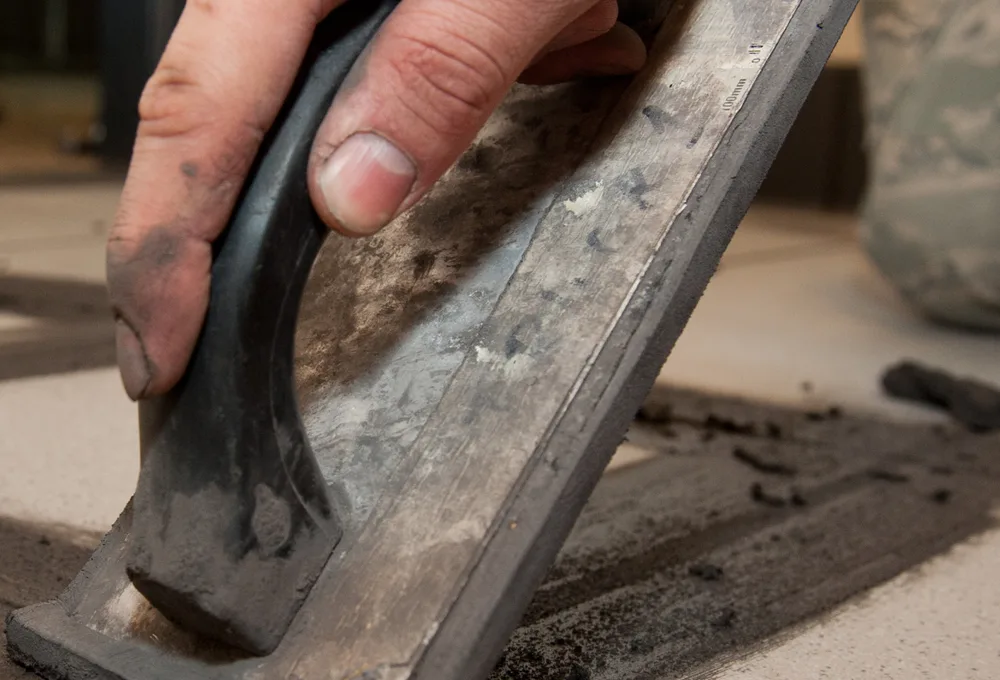
Grout is not glue and it is not waterproofing. It fills the gaps between tiles so dirt and water do not collect in open joints, it ties individual tiles into one surface, and it gives the installation a small amount of flex so seasonal movement does not crack tiles. Water still passes slowly through cement grout, which is why wet-area waterproofing lives behind the tile, and why corners — where movement concentrates — are caulked with flexible sealant instead of filled with rigid grout.
The three grout families
Cement grout is the standard: inexpensive, forgiving to apply, and available sanded or unsanded. Epoxy grout is a two-part resin system: far more stain-resistant and water-resistant, never needs sealing, but costs more and is less forgiving to install because it sets on a timer. Premixed 'single-component' grouts sit between the two in performance and price. For most homes: cement grout for floors and walls, epoxy worth considering for shower floors, busy kitchen floors and light-colored grout in stain-prone spots.
Sanded vs unsanded
Sand in grout is structural: it stops wide joints from shrinking and cracking as they cure. Use sanded grout for joints roughly 1/8 inch and wider; use unsanded for narrower joints and for delicate glazed or polished tiles that sand could scratch. Modern polymer-modified 'all-in-one' cement grouts cover a wide joint range and have made the choice simpler — check the bag's stated joint range against your layout.
Joint width: how wide should the gaps be?
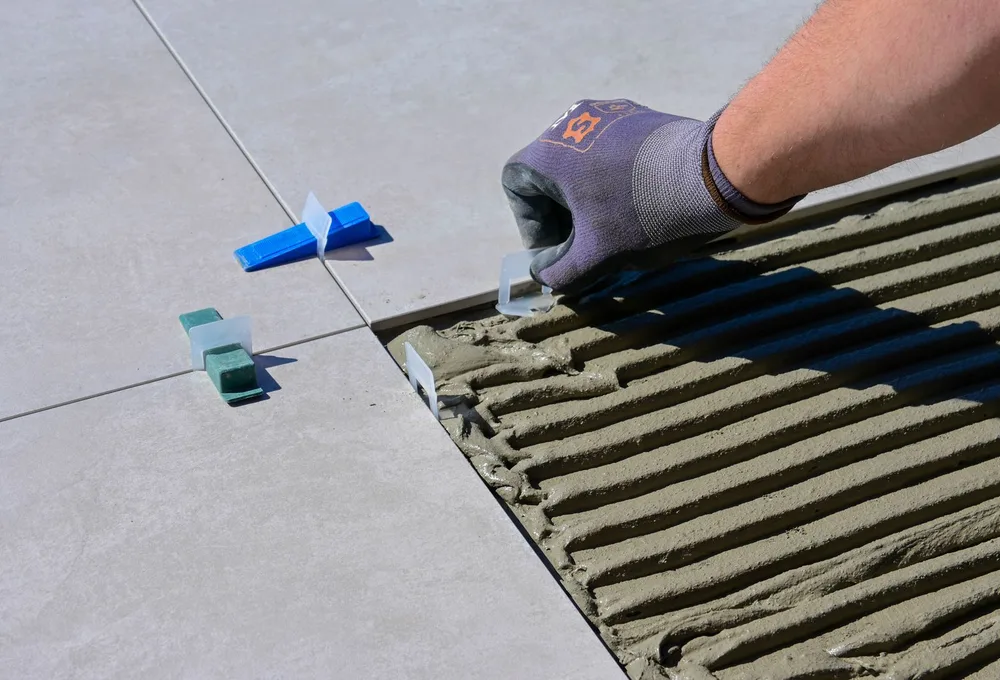
Joint width is set by the tile, not taste alone. Standard ceramic tiles vary slightly in size and have cushioned edges, so they need a moderate joint (commonly around 3/16 inch) to look straight. Rectified tiles with precision edges can run tight joints. Mosaics arrive pre-spaced by their sheets. Too tight a joint on an irregular tile makes rows wander visibly; too wide a joint on a fine tile looks clumsy and collects dirt. Dry-lay a few tiles with spacers before committing.
Choosing a grout color
Three strategies cover almost every good result. Match the tile for a seamless, calm surface that makes rooms feel bigger. Contrast the tile to draw the grid — graphic and deliberate, best with precisely set tile. Or pick a mid-tone from within the tile's own pattern, the forgiving option that hides everyday soil. Practical rule for floors and showers: pure white grout is the highest-maintenance color in the catalog. Always test grout color in a small area or on a sample board; grout dries lighter than it looks wet.
Sealing, cleaning and repairing grout
Cement grout benefits from a penetrating sealer applied after full cure and refreshed when water stops darkening the joint (that darkening test tells you the sealer has worn). Clean grout with pH-neutral cleaners for routine care; acidic cleaners etch cement grout and should be occasional, diluted and rinsed. Stained or cracked grout can be raked out and replaced without disturbing sound tile — one of tile's great repairability advantages. Our care and maintenance guide has the full cleaning routine.
What kind of tile does not require grout?
People ask this often, usually hoping to skip the messiest step. The honest answer: virtually all ceramic and porcelain tile installations require grout — the joints are structural, not decorative. The exceptions are not really tile: interlocking luxury vinyl 'tile-look' planks, click-lock products and peel-and-stick panels are grout-free because they are not ceramic. A few large porcelain panel systems use minimal joints with color-matched fillers, but that is specialist work. If grout is your concern, choose epoxy grout and a mid-tone color — you get tile's durability with the least upkeep.
Grout haze and efflorescence: the two white films
Grout haze is a thin cement film left on the tile face after grouting; it buffs off with a dry cloth or a haze remover once the grout has cured, and it is cosmetic, not a defect. Efflorescence is different: white salt crystals that grow out of cement grout over weeks, carried by moisture moving through the installation. It brushes off, but it returns while moisture keeps moving — on ground-floor slabs and shower walls it is a signal to check drainage and waterproofing rather than a cleaning problem. Knowing which white film you have saves a lot of pointless scrubbing.
Keeping grout color consistent
Grout color shifts with water ratio, mixing and washing technique — the three variables DIYers vary without noticing. Measure mixing water, mix the whole bag's worth you need for a section at once, let it slake as directed, and wash joints with a barely damp sponge using the same light pressure everywhere. Too much wash water is the classic cause of pale, blotchy joints. Grout also dries lighter than it looks in the bucket, so judge your test patch the next day, not the same afternoon.
Regrout or repair? Deciding the fix
Surface stains and hairline cracks in a few joints: clean, and spot-repair by raking out the damaged sections and packing fresh grout. Widespread crumbling, grout falling out in chunks, or tiles sounding hollow around the joints: the installation has a movement or bond problem, and new grout over it is a short-lived patch — that field needs a tiler's assessment. Corner joints are never a regrout job at all: they get flexible caulk, replaced whenever it splits or peels. Shower floors deserve the lowest threshold for professional help, because grout failure there can be the first visible sign of waterproofing trouble beneath.
Grout for beginners: your first job, set up to succeed
Choose a forgiving setup for a first grouting job: a mid-tone, polymer-modified cement grout on a backsplash or a small floor, where the area is dry, the joints are moderate width and nothing is harmed by a slow pace. Mix half of what you think you need, work a small section, and learn the two timings on scrap first — how long until the grout is firm enough to wash, and how the sponge should feel (barely damp, wrung almost dry). Grout one wall or one small floor completely before judging your work the next morning; grout always looks worse wet and mid-process than it does cured.
How grout ages, and what normal looks like
New cement grout darkens when wet and lightens as it dries — that daily cycle is normal and not a leak. Over years, floor grout in traffic lanes grays gradually despite cleaning; that is soil worked into a porous surface, and a deep clean plus reseal restores most of it. What is not normal: grout that stays dark and damp long after the room dries, joints that soften or powder, or a musty smell that cleaning never touches. Those three signs point at water where it should not be, and they belong to the waterproofing conversation, not the cleaning aisle.
Grout questions from real projects, answered
Can grout be a different color on walls and floor in the same bathroom? Yes — a common designer move is matched grout on the walls for calm and a mid-tone on the floor for practicality; keep both in the same color family so the room reads as one decision. Can you change grout color later? Sound grout can be recolored with a grout colorant, which also seals — far cheaper than raking out a whole room. Does dark grout fade? Cement grout lightens as it cures and can mottle if washed unevenly; epoxy holds its color best, which is one reason designers specify it for dramatic dark joints. How wide is too wide? Beyond the tile maker's stated range, joints lose strength and look clumsy — if your design wants very wide rustic joints, choose a grout explicitly rated for them.
Storing and reusing leftover grout
Unopened grout keeps well in a cool, dry place; opened bags absorb humidity and should be sealed tightly in a plastic bin and used within a reasonable season — lumpy powder that will not mix smooth has taken on moisture and should be discarded. Write the grout brand, color and the room it was used in on the bag with a marker, and store it with your spare tiles. A half-bag of the exact grout turns a future joint repair from a color-matching expedition into a ten-minute job, which is the same reason this site keeps advising you to keep spares of everything that touches the finished surface.
The one-paragraph summary
If you remember nothing else: grout is a working joint, not a decoration. Match the type to the room (cement for most, epoxy where stains and water are constant), match sanded or unsanded to your joint width and tile surface, pick a mid-tone color unless you deliberately want the grid, seal cement grout and maintain the caulked corners — and your grout will quietly do its job for as long as the tile does.
Frequently asked questions
How long should grout dry before using a shower?
Follow the grout manufacturer's instructions — cement grouts typically need several days before sustained water exposure, and sealer adds its own cure time on top. Rushing a shower is a common cause of weak, washed-out joints.
Can I grout over old grout?
A thin smear over old grout does not last. For a refresh, rake out the damaged or stained grout to a sound depth and re-grout properly, or use a grout colorant product made for coating existing joints after thorough cleaning.
Why is my grout cracking in the corners?
Corners are changes of plane, and buildings move there. Rigid grout in a moving joint cracks — that is expected behavior, not a defective product. The fix is to remove the corner grout and replace it with flexible color-matched caulk or silicone.
Does grout need to be sealed?
Cement-based grout, yes — sealing slows water and stain absorption and makes cleaning easier. Epoxy grout does not need sealing. The tile's glazed face never needs sealing.
What grout is best for a shower floor?
A grout that tolerates constant moisture and resists staining: epoxy is the premium answer; a polymer-modified cement grout, sealed and maintained, is the common one. Pair either with a mid-tone color to hide soap film between deep cleans.
Planning a tile project?
Tell us your room size and the styles you like — we will prepare your quote summary.
Request a Quote Count My Tiles