Ceramic Wall Tiles
Wall tile is where ceramic shows off. Freed from foot traffic, wall tiles can be glossier, thinner and more decorative than floor tiles — glass-smooth glazes, rippled handmade-look surfaces and deep colors that would be impractical underfoot. This collection covers ceramic wall tile for kitchen backsplashes, bathroom walls, shower surrounds and living-space feature walls.
Wall tile vs floor tile: what is different?
Wall ceramic is thinner and lighter than floor ceramic, which makes it easier to cut and kinder to vertical surfaces. Its glaze is not made to be walked on, so a wall tile used on a floor will wear and can crack — the two are not interchangeable. The reverse works fine: a floor-rated tile can go on a wall if the wall and adhesive can carry the weight, and many people run the same tile up a shower wall for a continuous look.
Finishes that change a wall
Glossy wall tile bounces light around small bathrooms and wipes clean in seconds, which is why it remains the default behind kitchen counters. Matte wall tile reads more modern and hides water spots better in showers. Textured and handmade-look tiles — with slightly uneven edges and pooled glaze — add craft and shadow play; they cost more patience at grout time because the joints vary. Three-dimensional and relief tiles turn a plain wall into the feature itself, best used on one wall rather than four.
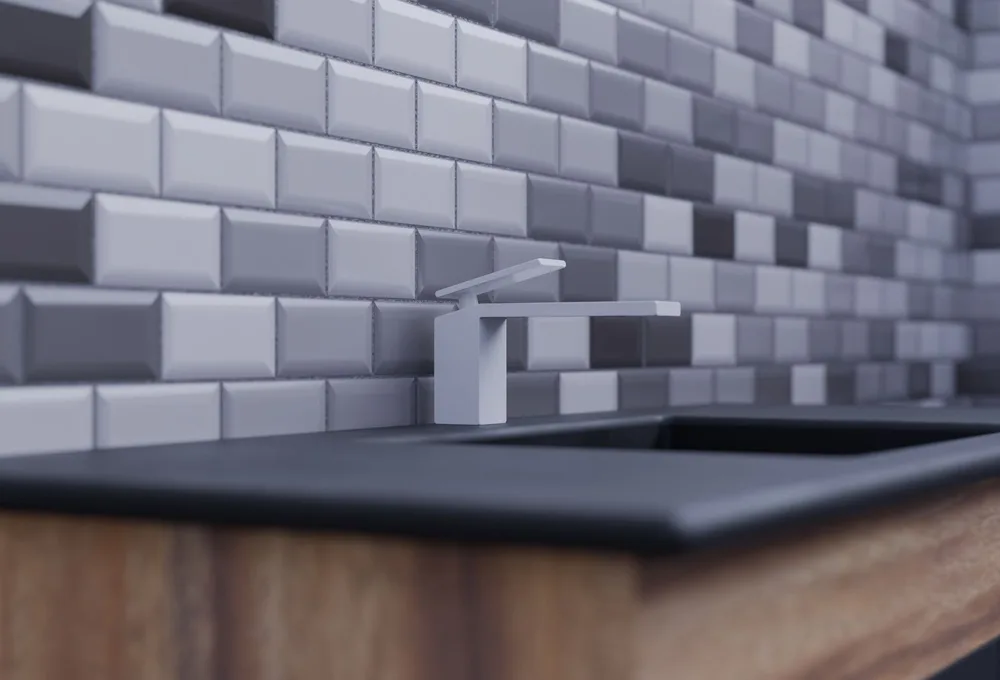
Common wall tile sizes
Subway tile in its classic brick proportion is the size most US buyers picture first, but wall ceramic now runs from tiny mosaic sheets up to large rectangles that cover a shower wall in a handful of pieces. Smaller tiles mean more grout lines — more visual rhythm, more cleaning. Larger tiles mean a calmer wall and faster coverage. Our tile sizes guide lists the standard dimensions, and our subway and mosaic collections each get their own page because their installation logic is different.
Where wall tile earns its keep
Behind a stove or sink, wall ceramic protects paint and drywall from steam, grease and splashes, and it wipes down without repainting. In bathrooms it handles the daily humidity cycle that peels paint. As a wainscot in a mudroom or hallway it survives bags, boots and dog shakes. And in living rooms, a tiled fireplace surround or a single patterned feature wall gives the room a focal point that wallpaper cannot match for durability.
Installing wall tile: the essentials
Walls must be clean, flat and dry; in wet zones the surface behind the tile should be a suitable backer board, not plain drywall. Tiles are set in thin-set or mastic depending on the zone — mastic is fine for a dry kitchen backsplash, while shower walls call for thin-set mortar. Start from a level ledger line so rows do not drift, and plan the layout so cut tiles land in corners rather than at eye level. The step-by-step is in our installation guide.
Frequently asked questions
Can ceramic wall tile be used in a shower?
Yes, glazed ceramic wall tile is a standard shower wall material. The tile itself does not absorb water in any meaningful amount; what matters is the waterproofing and backer board behind it, plus well-sealed grout lines and corners.
Are ceramic wall tiles waterproof?
The glazed face is effectively waterproof, but a tiled wall is a system: water can pass through grout joints over time. In wet areas the waterproof layer sits behind the tile, which is why shower construction matters more than the tile choice.
How do I clean ceramic wall tiles?
Warm water with a drop of mild detergent and a soft cloth handles everyday film. For soap scum in showers, a bathroom cleaner made for tile and a non-scratch pad work well. Avoid steel wool and harsh abrasives that can dull the glaze.
Can wall tiles be painted?
They can, with a bonding primer made for glossy surfaces and a suitable topcoat, and it is a popular budget refresh for dated colors. Paint is a coating, though — it will never be as hard as glaze, and in showers it tends to fail early. Replacement is the durable answer.
Do wall tiles need special adhesive?
For dry walls, a premixed mastic is convenient and common for backsplashes. For showers, large tiles or any damp location, use polymer-modified thin-set mortar instead. Heavy large-format wall tiles also need the wall checked for flatness so they do not lip at the edges.
Planning a tile project?
Tell us your room size and the styles you like — we will prepare your quote summary.
Request a Quote Count My Tiles