Ceramic Tile for Bathrooms
Searchers ask one question more than any other about this room: is ceramic tile actually good for bathrooms and showers? The short answer is yes — glazed ceramic is one of the most proven bathroom surfaces there is — with two honest conditions. Floors need a finish with grip, and shower walls need proper waterproofing behind the tile. This collection page walks through both, plus the sizes and styles that suit American bathrooms from powder rooms to primary suites.
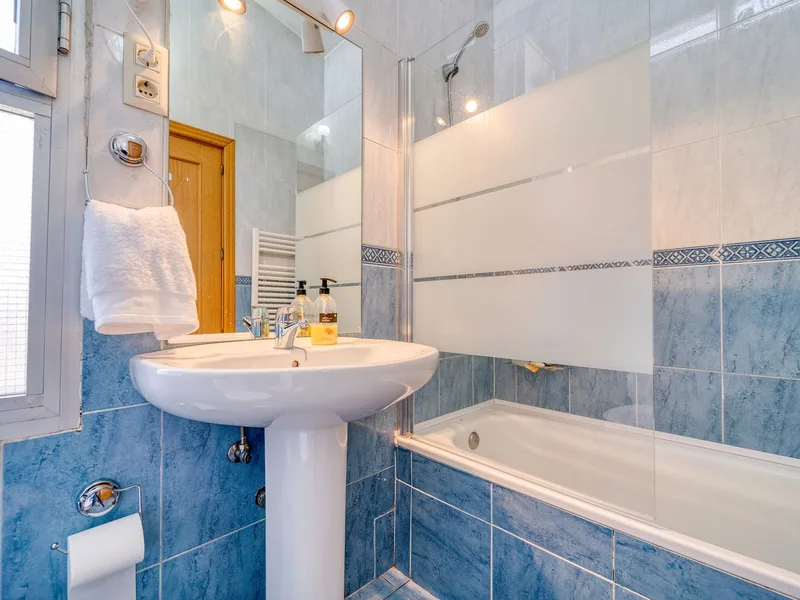
Ceramic tile on bathroom floors
A bathroom floor gets wet daily, so the tile's finish matters more than its color. Choose matte or textured ceramic for the floor so bare feet grip when there is water on the surface. Smaller floor tiles also help: more grout lines mean more edges for feet to hold on to, which is why mosaic and small hex tiles are classic shower and bathroom floor choices. Large glossy tiles look sleek but belong on the walls of this room, not under wet feet.
Is ceramic tile OK for showers?
Yes — ceramic tile has lined showers for generations. The glaze does not let water through, and the tile handles constant humidity and temperature swings without complaint. What decides whether a shower lasts is invisible: the backer board and waterproofing membrane behind the tile, the slope of the shower floor toward the drain, and flexible sealant in the corners instead of rigid grout. Pick a tile you love for the walls; put your diligence into the layers behind it. Our installation guide covers shower construction order step by step.
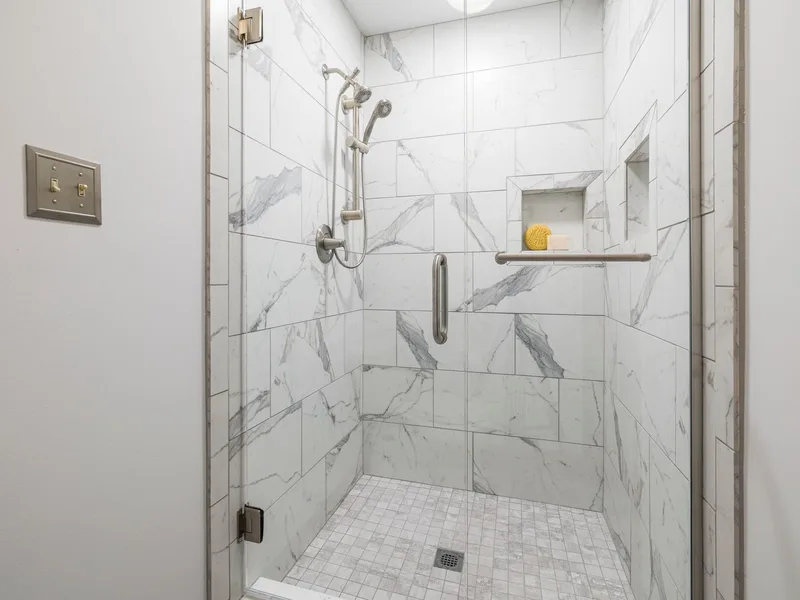
Ceramic vs porcelain in the bathroom
Porcelain is the denser cousin of ceramic, fired hotter, and it is the usual pick for shower floors in freeze-prone or heavy-use settings. For bathroom walls and most floors, ceramic performs just as well in daily life and usually offers more decorative glazes at friendlier effort when cutting and drilling. The full head-to-head — water absorption, hardness, cutting, weight and where each one wins — is in our ceramic vs porcelain guide.
Sizes that flatter small bathrooms
In a small bathroom, grout pattern is a design tool. Running rectangular tiles vertically makes low ceilings feel taller; laying floor tiles on a diagonal draws the eye to the corners and stretches the room visually. Very large tiles can overwhelm a tiny floor with awkward cuts, while very small tiles can feel busy — mid-size floor tiles with a calm wall tile is the combination most designers reach for. Our small bathroom tile ideas post works through these tricks with examples.
Keeping bathroom tile fresh
Bathroom tile maintenance is mostly grout maintenance. Squeegee shower walls after use if you want to slow soap film, ventilate the room so joints dry out, and reseal cement grout when water stops beading on it. Our care and maintenance guide lists the cleaners that are safe on ceramic glaze and the ones that quietly damage it.
Frequently asked questions
Are ceramic tiles good for bathrooms?
Yes. Glazed ceramic resists water, humidity and cleaning chemicals, and it does not harbor odors. Pick a matte or textured finish for floors, and make sure wet zones are waterproofed behind the tile.
Is ceramic tile good for shower walls?
Yes, it is one of the standard shower wall materials. The waterproofing layer behind the tile does the real protective work, so installation quality matters more than the tile itself.
What size tile is best for a small bathroom?
Mid-size floor tiles (for example 12x12 or 12x24 inch formats) with rectangular wall tiles laid to emphasize height usually flatter small rooms. Mosaic works well on shower floors where its many grout lines add grip.
Can ceramic tile go over an existing bathroom floor?
It can if the existing floor is sound, flat and firmly bonded, and the added height does not cause door or fixture problems. Loose, cracked or cushioned floors must come up first — tile telegraphs the movement of whatever is under it.
Is ceramic or porcelain better for a bathroom floor?
Both work. Porcelain is denser and harder; ceramic is easier to cut and drill and offers more decorative options. For most home bathrooms the deciding factors are finish (grip) and style, not the material name.
Planning a tile project?
Tell us your room size and the styles you like — we will prepare your quote summary.
Request a Quote Count My Tiles