Mosaic Tiles
Mosaic is tile at its smallest scale: little pieces — often under two inches — mounted on mesh sheets so you can install hundreds at once. People ask how mosaic differs from regular ceramic tile, and the answer is mostly format, not material: a ceramic mosaic is ceramic, just small and sheeted. That smallness buys grip on shower floors, easy curves, and pattern density no large tile can match.
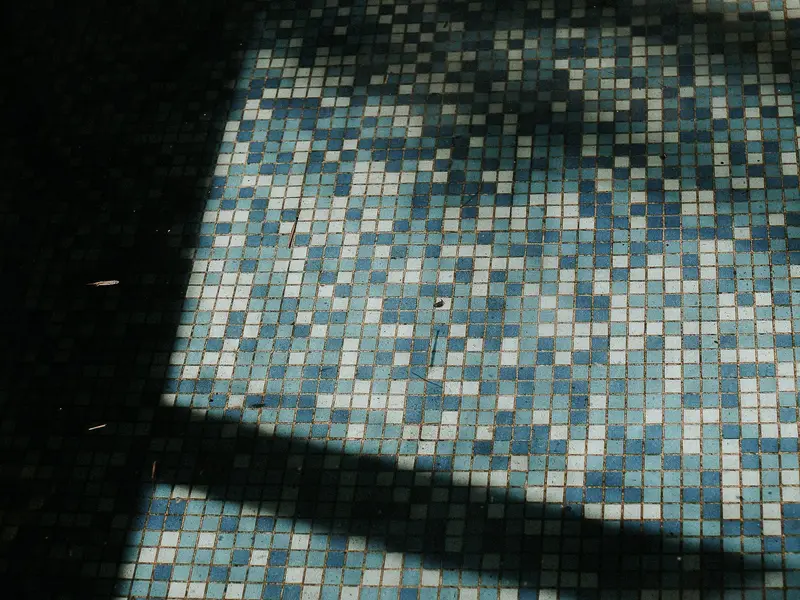
Mosaic vs regular ceramic tile: the real difference
A standard tile is one piece per unit; a mosaic is dozens of small pieces (called tesserae) pre-spaced on a mesh or paper sheet, usually about a square foot per sheet. The material can be ceramic, porcelain, glass or stone — our collection focuses on ceramic mosaics. Because the pieces are small, mosaics flex over gentle curves and shower-floor slopes, and their many grout joints give feet and shoes far more grip than a big smooth tile.
Where mosaics earn their premium
Shower floors are the textbook use: the sheet follows the slope to the drain and the joint grid keeps feet secure. Bathroom floors in small rooms get the same grip benefit. As accents, a band of mosaic through a plain field tile, a full backsplash of penny rounds, or a mosaic-lined niche adds craft without tiling the whole room in small pieces. On fireplace faces and curved columns, mosaics go where rigid tile cannot.
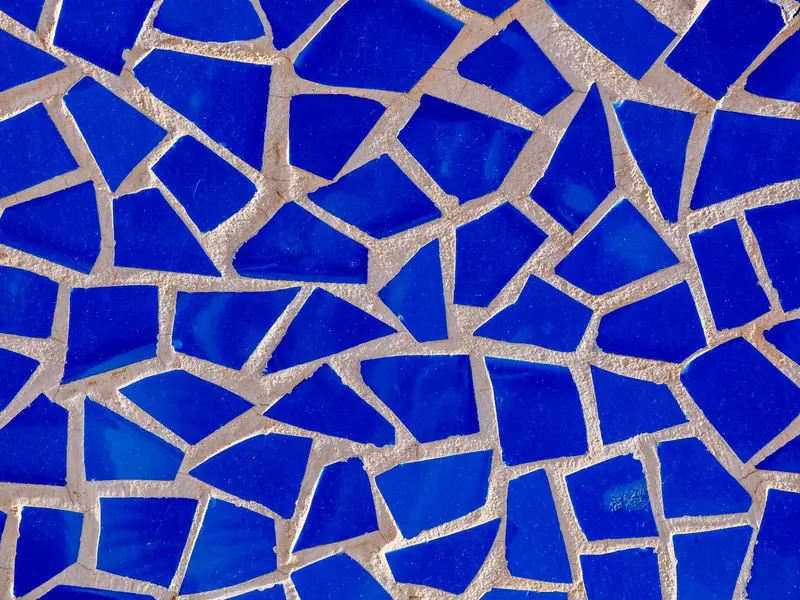
Shapes: hex, penny, herringbone and more
Hexagon mosaics are the vintage standard for bathroom floors. Penny rounds soften modern rooms and feel good underfoot. Small herringbone and chevron sheets bring pattern to backsplashes. Basketweave and pinwheel patterns suit traditional homes. Mixed-finish sheets — matte with gloss pieces — create subtle pattern that only shows in raking light. Whichever shape you pick, look at a full sheet, not a single piece: mosaics are read as a field, not as individuals.
Installing mosaics without the usual mistakes
Sheets must be pressed evenly so no single piece sits proud — a grout float used as a tamper works better than fingers. Thin-set squeeze-up through the joints is the classic beginner problem; use the right trowel size and scrape joints clean before the mortar sets. Cutting sheets is easy with scissors on the mesh; cutting individual pieces takes nippers or a wet saw. Because there is so much grout, grout color choice changes a mosaic more than any other tile — test a small area first.
Living with mosaic: cleaning and grout
More grout lines mean grout care matters: seal cement grout in wet zones, and clean with cleaners that are safe for both ceramic and grout. The upside is repair — a damaged piece can be cut out and replaced without disturbing the field, something no large-format tile allows.
Frequently asked questions
What is the difference between mosaic and ceramic tiles?
Mosaic describes the format — many small pieces mounted on a sheet — while ceramic describes the material, a glazed clay tile. A ceramic mosaic is both: small ceramic pieces on mesh. Mosaics also come in porcelain, glass and stone.
Are mosaic tiles good for shower floors?
They are the most popular shower floor choice. Small pieces follow the floor's slope to the drain, and the many grout joints give wet feet grip. Ceramic and porcelain mosaics are both used; porcelain is the denser option.
How do you cut ceramic mosaic tile?
Cut the mesh with scissors or a utility knife to size a sheet. For individual pieces, use tile nippers for small trims or a wet saw for straight cuts. Always dry-lay sheets first to plan where cuts land.
Do mosaic tiles need more grout?
Yes — a mosaic floor or wall has far more joint area than large tile, so grout use is higher and grout color has an outsized effect on the final look. Budget for it and choose the color deliberately.
Can mosaic tile be used on a kitchen floor?
It can, and vintage hex mosaic floors are a period-correct choice for older homes. Day to day, the many joints collect more grime than large tiles, so most people keep kitchen mosaics to the backsplash and use bigger tiles on the floor.
Planning a tile project?
Tell us your room size and the styles you like — we will prepare your quote summary.
Request a Quote Count My Tiles