Ceramic Tile for Outdoor Use
Few questions in our research come up as often as this one: is ceramic tile good for outdoor use? The honest answer is: sometimes. Ceramic brings color and pattern to porches, sunrooms and mild-climate patios like no other material, but standard ceramic has a real weakness — it absorbs more water than porcelain, and in freeze-thaw climates that water can crack it. This page explains exactly where ceramic earns its place outdoors and where you should choose something else.
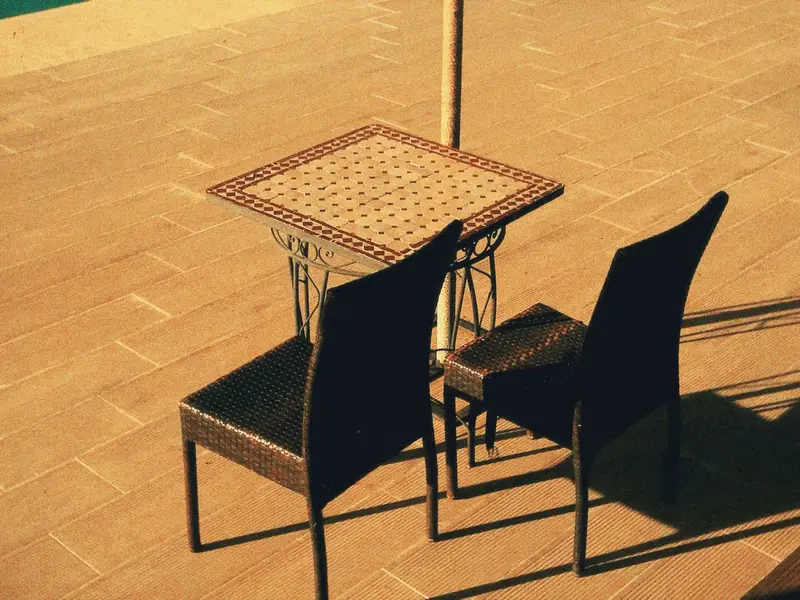
The one rule that decides everything: frost
When water inside a tile freezes, it expands. A tile that absorbs little water shrugs this off; a tile that absorbs more can flake or crack after repeated cycles. Standard ceramic tile is in the higher-absorption group, so in regions with hard winters, ordinary ceramic on an exposed patio is a short-lived choice. In mild climates — or anywhere the tile stays dry under a roof — the freeze problem mostly disappears, and ceramic's long outdoor history in Mediterranean courtyards proves the point.
Where ceramic works outdoors
Covered porches and screened patios are ceramic's best outdoor home: rain is limited, sun is welcome, and patterned ceramic turns a plain slab into a designed room. Sunrooms and three-season rooms are effectively indoor floors and take any floor-rated ceramic. In frost-free and mild-winter regions, open patios and pool-adjacent terraces (with a textured, slip-aware finish) are fair game. Outdoor wall applications — a tiled garden wall, outdoor kitchen backsplash or house facade accent — are gentler on tile than floors because they shed water instead of holding it.
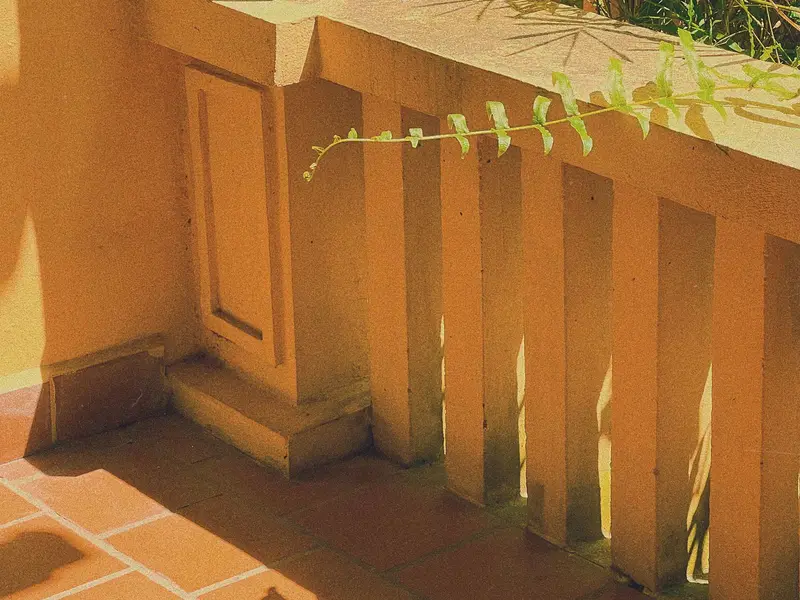
Where to choose something else
For an uncovered patio, steps or walkway in a freeze-thaw state, choose porcelain rated for exterior use or purpose-made outdoor pavers instead — they are manufactured to absorb very little water and to be thick enough for exterior bedding. The same goes for pool decks in cold climates. Our ceramic vs porcelain guide explains the absorption difference in plain terms so you can check any tile's spec sheet with confidence.
Slip, sun and other outdoor realities
Outdoors, a floor gets wet from rain and hoses, not just spills — insist on a matte or textured surface, and be wary of glossy tile anywhere outside. Dark tiles in full sun get hot under bare feet; light colors stay kinder on a south-facing patio. UV does not fade glazed ceramic, which is one of its genuine outdoor advantages over many other finishes. Finally, outdoor grout and movement joints matter more than indoors because temperature swings are wider; flexible sealant at edges and changes of plane is not optional outside.
Setting tile outdoors
Exterior tile needs a sound, sloped concrete base that drains away from the house, an exterior-rated thin-set, and joints that can move. Never set outdoor tile over wood decking or soil. If your project is a covered porch over an existing sound slab, ceramic is often straightforward; if it is a new open patio in a cold state, start with porcelain pavers in the plan instead. Our patio tile ideas post shows the styles people actually live with.
Frequently asked questions
Can you use ceramic tile outside?
Yes, in the right places: covered porches, sunrooms, outdoor walls and open patios in mild, frost-light climates. For exposed patios in freeze-thaw regions, standard ceramic is the wrong material — choose low-absorption porcelain or outdoor pavers.
Are ceramic tiles suitable for outdoors in cold climates?
Standard ceramic is not recommended for exposed exterior floors where standing water can freeze inside the tile body. If the area is covered and stays dry, or the tile is a frost-rated product confirmed by its maker, it can work — verify the rating rather than assuming.
What happens to ceramic tile in winter?
Dry ceramic is unaffected by cold. The damage comes from cycles: water enters the tile body or grout, freezes and expands, then thaws — repeated cycles can craze, flake or crack vulnerable tiles. Keeping water out (cover, slope, drainage) is the whole game.
Is ceramic tile slippery outside?
Glossy ceramic is slippery when wet and should not be used on outdoor floors. Matte and textured finishes grip far better. Whatever the finish, algae film on shaded patios makes any tile slick, so outdoor tile needs periodic cleaning.
Can ceramic tile be used around a pool?
In mild climates, a textured ceramic rated by its maker for the use can work on pool surrounds. In freeze-thaw regions, or where the deck stays saturated, porcelain made for pool decks is the safer standard choice.
Planning a tile project?
Tell us your room size and the styles you like — we will prepare your quote summary.
Request a Quote Count My Tiles