Ceramic Tile for Kitchen Backsplashes
The backsplash is the hardest-working few square feet in a kitchen — it takes the steam, oil mist and tomato splashes so your wall does not have to — and it is also the most visible tile most homes ever install. Ceramic is the classic backsplash material: heat-safe behind a stove, wipe-clean, and available in everything from crisp subway brick to hand-glazed color. Here is how to choose well.
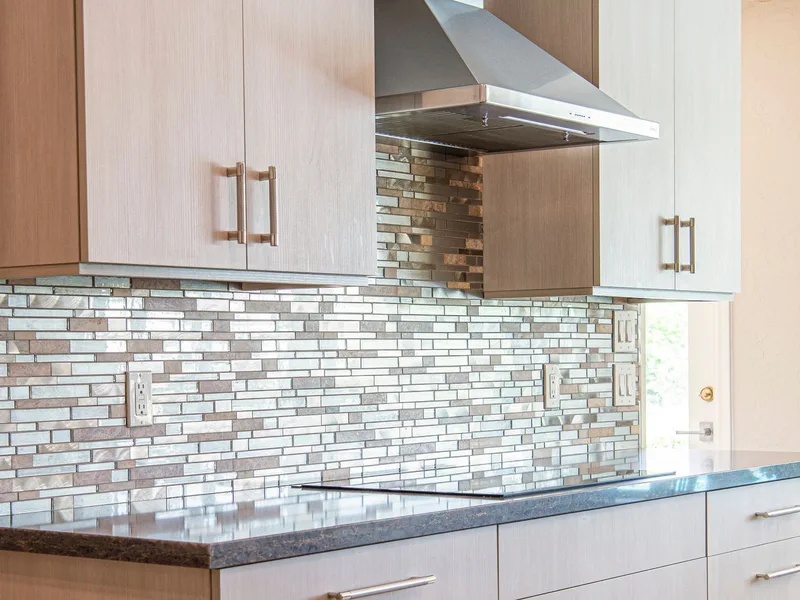
Why ceramic suits the backsplash job
A backsplash needs three things: it must not mind heat, it must clean easily, and it should survive the occasional pot knock. Glazed ceramic does all three. Unlike peel-and-stick films or painted drywall, it does not discolor behind a gas burner, and unlike natural stone it never needs sealing on its face. It is also the easiest tile family to cut around outlets and window frames, which a backsplash has plenty of.
The main style families
Subway tile is the safe classic — a brick-proportioned rectangle that suits farmhouse and modern kitchens alike, and gets its own collection page. Mosaic sheets bring pattern and texture in small pieces and curve neatly around obstacles. Patterned and encaustic-look ceramic turns the backsplash into the kitchen's artwork. Handmade-look tiles, with wavy surfaces and varied glaze, give flat-front cabinets the depth they lack. Square tiles stacked in a straight grid are the current minimalist favorite.
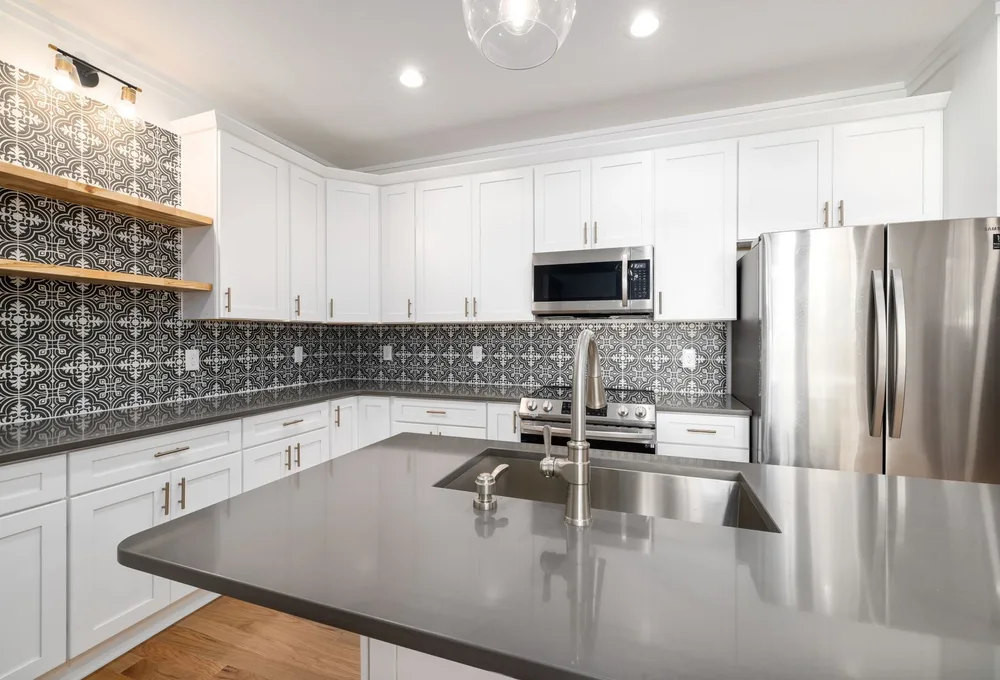
Grout color is half the design
With the same tile, white grout makes a backsplash feel airy and blended; dark grout outlines every tile and reads graphic and busy. Mid-tone grout is the practical middle — it hides cooking film better than white and keeps the pattern calm. Behind a stove, whatever grout you choose should be sealed, because that zone collects a fine mist of cooking oil that darkens unsealed joints over time.
How much tile does a backsplash take?
Measure the length of counter run and multiply by the height from countertop to the underside of the wall cabinets, then subtract window and door openings. Backsplashes are small areas, so the waste allowance can be modest — but patterned tiles and many outlet cuts argue for a little extra. Run your numbers through our tile calculator, and order one extra box if the tile is a special order: a chipped tile five years from now is much easier to replace from your own shelf.
Installing a backsplash: the short version
Degrease the wall, find your level line, and start from the most visible corner or from behind the range if there is a feature panel. Premixed mastic is the common adhesive here on dry walls. Our installation guide has the full sequence, including how to cut around outlets safely and why the countertop joint gets flexible caulk instead of grout.
Frequently asked questions
Is ceramic tile good for a kitchen backsplash?
Yes — it is the most common backsplash material for good reason: heat-resistant, stain-resistant and easy to wipe clean. Glossy and satin glazes clean fastest behind a stove.
How high should a tile backsplash go?
The standard is from the countertop to the bottom of the wall cabinets. Many kitchens now run tile to the ceiling behind a range hood or open shelves, which looks intentional and protects more wall. There is no rule against stopping at cabinet height — it is a style and budget choice.
Can I install a backsplash over painted drywall?
Yes, if the paint is sound and the wall is degreased and lightly sanded so the adhesive can grip. Glossy paint should be scuffed well. Over damaged or peeling paint, fix the wall first.
What tile size works best for a backsplash?
Small to mid-size tiles dominate because the area is shallow: subway formats, mosaics and squares up to about 4 inches keep cuts manageable around outlets. Large tiles can work on long uninterrupted runs.
Does backsplash tile need to match the countertop?
It needs to live with it, not match it. A quiet backsplash lets a dramatic countertop lead; a patterned backsplash is the feature when counters are plain. Bring a sample home and look at the two together in your kitchen's light before ordering.
Planning a tile project?
Tell us your room size and the styles you like — we will prepare your quote summary.
Request a Quote Count My Tiles