How Much Does Ceramic Tile Cost?
It is the question every tile project starts with, and this page answers it the honest way. Tile prices vary too much by region, retailer and season for any website to quote you a trustworthy number without knowing your project — so instead of invented figures, this guide gives you what actually helps: the factors that move a tile quote up or down, the exact quantity math so you never overbuy or run short, and a line-by-line checklist for comparing quotes fairly.
Why honest cost answers are ranges, not numbers
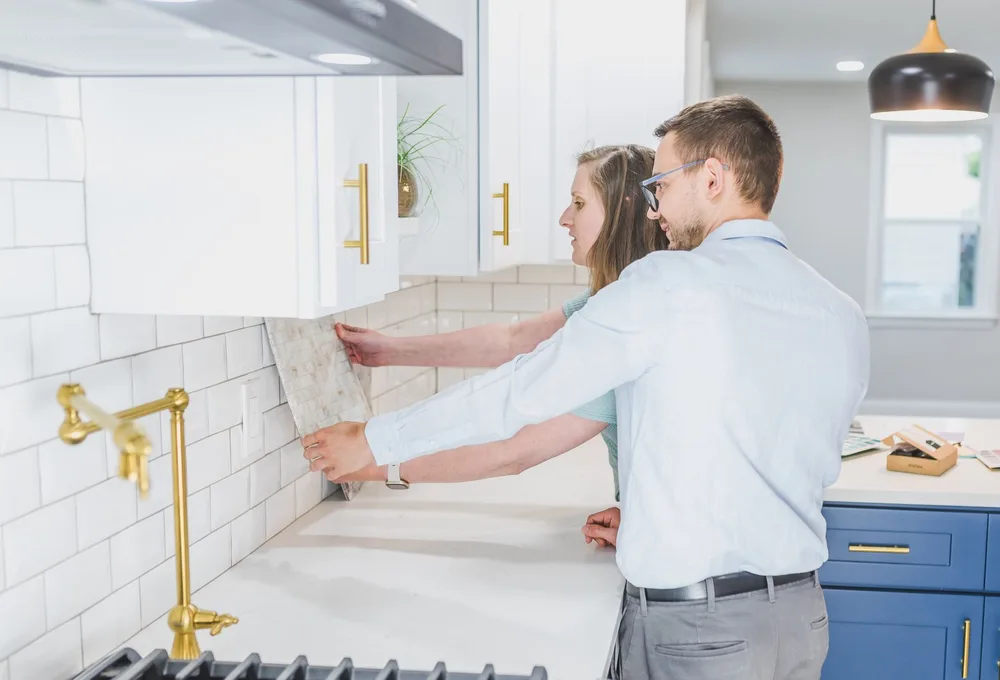
A square foot of basic ceramic wall tile from a big-box clearance rack and a square foot of hand-glazed artisan tile are both 'ceramic tile', and their prices differ by an order of magnitude. Installation quotes swing just as widely between a simple square room and a shower with niches and benches. Any page that gives you one confident dollar figure for 'ceramic tile cost' is guessing with your money. What you can control — and what this guide covers — is understanding each cost driver so quotes stop looking mysterious.
The tile itself: what you are paying for
Price follows size, finish and making. Small basic tiles are the budget end. Large formats cost more to make and ship without breakage. Handmade-look and hand-glazed tiles carry the cost of slower production and more variation. Patterned and decorated tiles cost more than plain ones. Rectified tiles — ground to exact size for hairline joints — cost more than standard cushioned-edge tiles. None of this maps neatly onto quality for your purpose: an inexpensive glazed ceramic is a genuinely excellent backsplash tile, while the premium choice might be premium only in looks.
The hidden half: setting materials
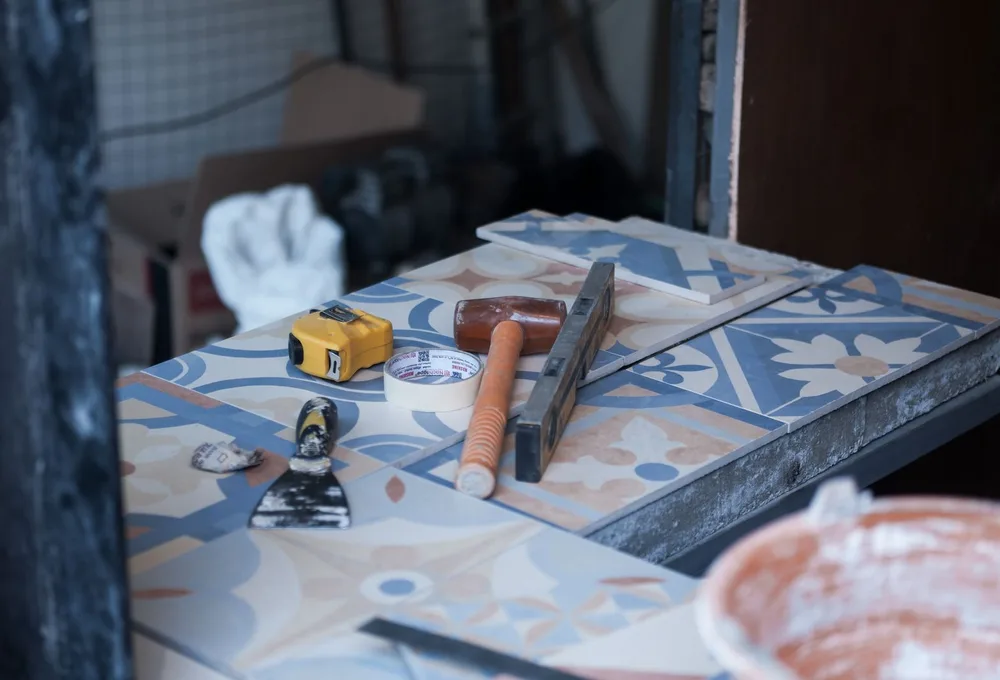
Tile is only part of the materials bill. Budget for thin-set mortar or mastic, grout, grout sealer, backer board and waterproofing for wet areas, transition strips, spacers or leveling clips, caulk for corners, and blades or a saw rental if you are cutting porcelain-hard material. On a shower, the waterproofing system behind the tile can rival the tile cost — and it is the last place to economize, because it is the layer that decides whether the shower lasts.
The quantity math that prevents both mistakes
Every tile disaster story is one of two: running out mid-job with the dye lot gone, or a garage corner of unreturnable extra boxes. The math is simple. Area: length × width for each surface, summed. Waste: add an allowance for cuts and breakage — modest for a straight layout in a rectangular room, generous for diagonal or herringbone patterns and rooms with many obstacles. Boxes: divide your total (with waste) by the coverage printed on the box, and round up to whole boxes. Our tile calculator runs all of this for you. Keep at least a few spare tiles after the job for future repairs, stored flat and dry.
Labor: what installers are actually charging for
Installation pricing reflects time and risk. A big empty rectangular floor is fast. A shower is slow: waterproofing, sloped floor, niche, bench, corners, and dozens of cuts. Diagonal and herringbone layouts multiply cuts. Removing old flooring, leveling a wavy subfloor, and moving toilets or appliances all add line items. When two quotes differ wildly, the difference is usually scope, not greed — one installer included the prep the other quietly assumed away. The checklist below forces both to price the same job.
DIY vs hiring it out
Doing it yourself removes labor cost and adds tool cost, time, and the risk of a redo. A kitchen backsplash is the classic first tile project: small, dry, forgiving, and a mastic-and-cutter job. Floors are a step up. Showers are where DIY mistakes get expensive, because the waterproofing is buried and failures appear months later as wall damage. An honest middle path many homeowners use: DIY the backsplash and a simple floor, hire the shower.
Quote comparison checklist
Get each quote in writing with the same scope: (1) demolition and disposal of the old surface, (2) subfloor or wall preparation and leveling, (3) backer board and waterproofing system named by product type, (4) tile setting — layout pattern stated, (5) grout type and sealing included or not, (6) transitions, trim and caulking, (7) fixture removal and refitting, (8) who supplies tile and setting materials, (9) timeline and what happens if hidden damage is found. A quote missing several of these is not cheaper; it is unfinished.
Where to save without regret
Save on the tile where the tile is easy to live with: plain field tile with one patterned accent costs less than pattern everywhere. Save on layout: straight patterns install faster than diagonals. Save by doing demolition and painting yourself. Do not save on waterproofing, mortar quality, or the extra box of tile — those three are the difference between a twenty-year floor and a two-year problem. When you are ready, send us your measurements and tile choices through the request a quote page and we will help you sanity-check quantities before you buy.
How project type changes the budget picture
A backsplash is mostly tile and adhesive over a small area — the cheapest tile project in the house. A floor adds demolition, subfloor preparation and transitions to other rooms' flooring. A shower is in another league: waterproofing system, sloped floor construction, niche and bench work, plumbing trim, and the slowest, most skilled setting of any home project. This is why 'cost per square foot' comparisons between project types mislead: a shower's square feet are vertical, waterproofed and cut-heavy, while a floor's are flat and fast. Compare quotes within the same project type, never across types.
The costs people forget to budget
Delivery fees for heavy tile (and a second delivery if you under-order). A dumpster or disposal run for demolition debris. Box extenders and longer screws for outlets after a backsplash adds thickness. Replacement shut-off valves and toilet wax rings when fixtures are lifted. Paint touch-ups where old trim met old tile. A contingency for what demolition reveals — rotted subfloor around a tub is discovered, never scheduled. None of these is large alone; together they are the difference between a budget that holds and one that quietly doesn't.
Timing, seasons and buying smart
Tile is heavy and breakable, so buy it when your installer (or your own start date) is actually scheduled — storing thirty boxes for three months invites damage and eats a garage. Buy the full quantity in one order so the dye lot matches, and confirm the return policy for unopened boxes before you pay; policies differ widely and decide how brave you can be with your waste allowance. If your project is flexible, ask retailers about discontinued-lot deals on quality tile — the tile is identical, only the restocking is limited, which is exactly why the extra box for repairs matters more with a clearance lot.
How to talk to an installer before signing
Ask five things and listen for specifics. What surface preparation is included, in writing? Which waterproofing system goes in the shower, named by type? What mortar and grout will be used on your tile? How are corners and transitions finished — grout or flexible sealant? What is excluded from this number? A good installer answers all five without hesitation and puts the answers on the quote. Vague answers at this stage become change orders later, and change orders — not the tile, not the labor rate — are where tile budgets actually go to die.
Renting vs buying tools for a DIY project
A snap cutter is cheap enough to buy and useful for life; a quality wet saw is the classic rental. Trowels, floats, buckets and spacers are inexpensive consumables. The hidden tool cost is blades: diamond blades wear, and a blade that came with a rental saw may be near the end of its life, which shows up as chipped cuts blamed on the tile. If your project has many cuts, buying one good blade for the rental saw is money well spent. Factor tool reality into the DIY-vs-hire comparison honestly — the labor saving is real, but it is not the whole of the difference.
Reading a tile box like a buyer, not a browser
Before any tile goes in the cart, read the whole box panel: the stated use (wall, floor, exterior), the wear rating, the actual caliber size, the shade/lot code, the square footage inside, and the country of manufacture. Two boxes of the 'same' tile with different lot codes are two slightly different tiles — for one project, every box should carry the same lot. Photograph the panel with your phone; that photo is your reorder key, your repair reference and your evidence if a delivery arrives mixed. Buyers who read boxes have boring projects, in the best possible way.
A worked example of a quote, without numbers
Picture a standard bathroom floor quote arriving in your inbox. Line one: demolition and disposal of the old vinyl. Line two: subfloor inspection and backer board. Line three: tile setting, straight layout, tile supplied by owner. Line four: grout and sealing. Line five: toilet removal and refit with a new wax ring, plus a transition strip at the door. If your second quote shows only 'tile installation' as a single line at a lower total, you do not have a cheaper quote — you have an unscoped one, and lines one, two, four and five will reappear as extras. This is the entire skill of comparing tile quotes: forcing every bidder to price the same five lines.
Frequently asked questions
Are ceramic tiles expensive?
Ceramic is generally the most affordable tile family — basic ceramic costs less than porcelain, natural stone or handmade tile. A project's total cost depends more on area, pattern complexity and whether you hire installation than on the tile alone.
How much extra tile should I buy for waste?
Add a waste allowance on top of your measured area: a small allowance for straight layouts in simple rooms, and a larger one for diagonal or herringbone patterns, small tiles with many cuts, or first-time DIY. Our tile calculator applies the percentage you choose and converts it to boxes.
Why did my two installation quotes differ so much?
Usually scope. One quote likely included demolition, leveling, waterproofing or sealing that the other left out. Compare them against the same checklist — preparation, waterproofing, grout and sealing, trim, and fixture handling — before comparing totals.
Is it cheaper to tile over existing tile or flooring?
It can save demolition cost when the existing surface is sound, flat and well bonded, but it raises floor height and can create door and transition problems. If the old surface is loose or cracked, removal is cheaper in the long run than a failed new floor.
What is the cheapest room to tile?
Per project, a kitchen backsplash is usually the smallest and cheapest tile job: a modest area, a dry wall, simple cuts and no waterproofing system required. Powder room floors are the next smallest projects.
Planning a tile project?
Tell us your room size and the styles you like — we will prepare your quote summary.
Request a Quote Count My Tiles