Ceramic vs Porcelain Tile: What Is the Difference?
It is the most common question in tile: is porcelain tile the same as ceramic, and if not, why does porcelain cost more? The two are cousins — both start as clay and are kiln-fired — but they are made from different clay blends and fired at different temperatures, and that changes how dense, hard and water-resistant the finished tile is. This guide explains the differences that actually matter in a home, room by room, so you can stop paying for porcelain where ceramic does the same job — and stop using ceramic where porcelain is genuinely needed.
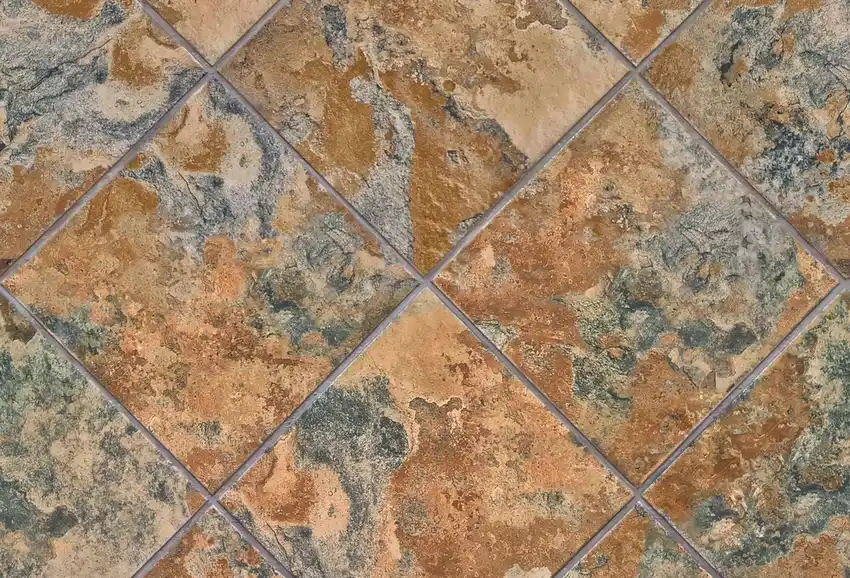
How each tile is made
Ceramic tile is made from a blend of clays — often a red or white clay body — shaped, glazed and fired at moderate kiln temperatures. The glaze is where the color and pattern live; the body underneath is comparatively porous. Porcelain tile uses a finer, denser clay blend with more feldspar, pressed harder and fired hotter, until the body vitrifies — it becomes almost glass-like all the way through. Many porcelain tiles are 'through-body' or 'color-body', meaning the color runs deeper than a surface glaze. That manufacturing difference drives every practical difference below.
Water absorption: the defining difference
The industry line between the two is absorption. Porcelain, by definition, absorbs very little water — half a percent or less by weight — because its body is vitrified. Standard ceramic absorbs noticeably more. Indoors, on walls and most floors, that difference rarely matters because the tile is glazed and the room is dry or only briefly wet. It matters in two situations: freeze-thaw exposure outdoors, where absorbed water can freeze and damage the tile, and constantly soaked floors, where a denser body is extra insurance. That is why porcelain is the default recommendation for exterior use in cold climates and why ceramic remains perfectly serviceable inside the house.
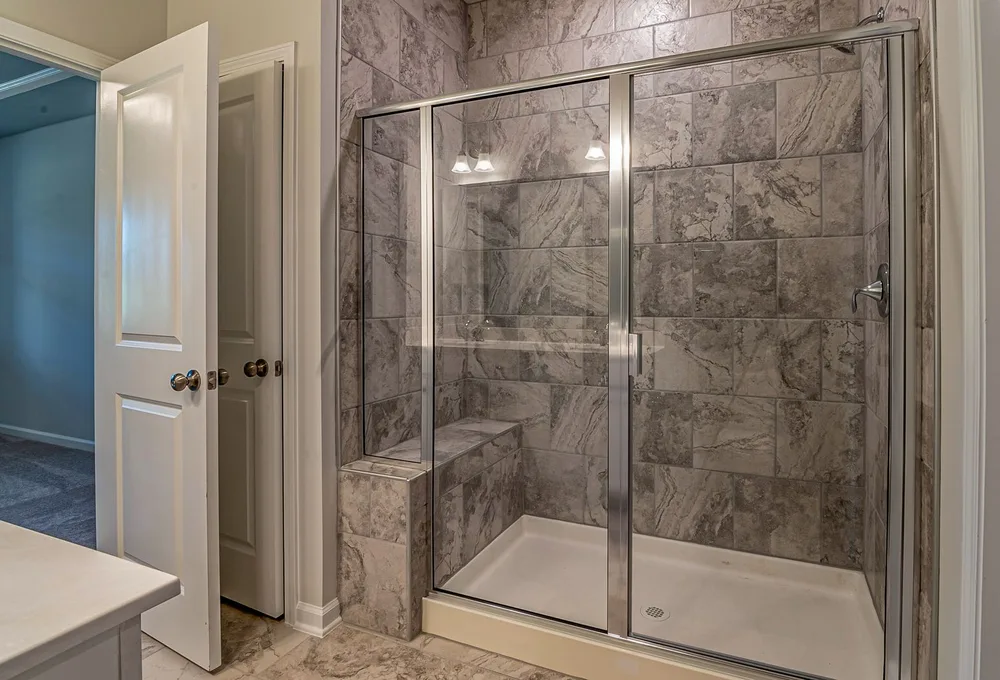
Hardness, wear and chipping
Porcelain is harder and denser, so it resists scratching and heavy wear slightly better and is the usual specification for commercial floors and busy entryways. Ceramic's glaze is its wear surface; floor-rated ceramic handles normal home traffic for decades. Where the difference shows is chipping: a hard knock can chip ceramic's glaze and reveal a differently colored body beneath, which is visible. On color-body porcelain, a chip is far less noticeable because the material underneath is close in color. In a home, this matters most in drop-prone zones like the floor in front of a stove or a workshop-adjacent mudroom.
Cutting, drilling and working with each
Ceramic is the friendlier DIY material. It scores and snaps cleanly on a basic cutter, drills with standard tile bits, and is lighter to handle — big advantages for a backsplash with twenty outlet cuts. Porcelain's density demands a good wet saw with a quality diamond blade, cuts more slowly, and needs diamond bits for holes; beginners chip more porcelain and break more drill bits. If you are tiling your first shower or backsplash yourself, ceramic will forgive you in ways porcelain will not.
Weight and where it matters
Porcelain tiles are heavier than ceramic of the same size. On floors with a solid subfloor this is rarely an issue, but on walls — especially large-format tiles — the extra weight asks more of the adhesive and the wall itself. Ceramic's lighter body is one reason it dominates wall tile: it stays where you put it while the mortar cures and is kinder to older plaster and drywall in dry zones.
Room by room: which one wins?
Kitchen backsplash: ceramic, for its glazes, price and easy cutting — porcelain brings no benefit on a vertical, dry surface. Bathroom walls and shower walls: either works; ceramic is easier to install and offers more decorative choice. Bathroom and shower floors: both are used; porcelain is the more conservative pick, ceramic with a matte finish performs well — grip matters more than the label. Kitchen floors: both fine; porcelain has the edge in the busiest homes. Living areas: either; wood-look styles exist in both. Outdoor in mild climates: either can work if rated for it. Outdoor in freeze-thaw climates: porcelain (or pavers), full stop. Garage and commercial floors: porcelain.
The price question, honestly
Porcelain usually costs more per square foot than a comparable ceramic, and installation can cost more too because it is slower to cut. But the honest comparison is total project cost over the floor's life: both materials last for decades indoors, so paying a porcelain premium for a bedroom wall buys nothing you will ever notice. Pay it where physics demands it — frost, saturation, commercial wear — and save it everywhere else. Our cost guide explains how to compare quotes line by line without invented numbers.
How to tell what you are looking at in a store
Read the box and the spec sheet, not the display sign. Look for the stated water absorption, the intended use (wall only, floor, exterior), and whether the color is surface glaze or color-body. Flip the tile over: porcelain backs are usually smoother and denser-looking with a finer texture; ceramic backs often show a coarser, more open clay body and a deeper grid pattern for mortar grip. When in doubt, ask for the absorption figure in writing — it settles the argument.
Wear ratings and what they mean for your choice
Beyond the ceramic/porcelain label, look at the wear rating the maker assigns to a floor tile. Ratings run from light wall use through residential floors up to heavy commercial traffic. A ceramic tile rated for residential floors will outlast the kitchen around it; a porcelain tile rated only for walls (they exist) will not become a floor tile just because it is porcelain. The rating, the absorption figure and the stated use together tell you more than the material name ever will. When you compare two tiles for the same floor, compare those three lines on both spec sheets first, and let style break the tie.
Myths that steer people wrong
Myth one: porcelain never chips. It chips less visibly on color-body products, but a dropped cast-iron pan can chip either material. Myth two: ceramic cannot go in a shower. It has lined showers for a century; the waterproofing behind it is the deciding layer. Myth three: porcelain is always the premium-looking option. Decorative glazes, handmade looks and patterned designs are overwhelmingly ceramic territory — porcelain's palette is catching up but still trails. Myth four: thicker always means stronger. Density and firing matter more than a millimeter of thickness. Letting go of the myths turns the decision back into what it should be: matching a spec sheet to a room.
Environmental and practical notes
Both materials are made from abundant natural materials, are inert in the home, emit no VOCs once installed, and last long enough that their manufacturing footprint is spread over decades — longevity is tile's strongest environmental argument against short-lived surfaces. Ceramic's lower firing temperature generally means somewhat less energy per tile than porcelain's hotter, longer firing. At end of life, removed tile is inert rubble rather than chemical waste. None of this should override the physical fit for the room, but if two tiles both fit, ceramic's lighter weight also makes it the easier material to transport, cut and handle throughout the project.
The 60-second decision checklist
Ask five questions. Will this tile freeze while wet? If yes, porcelain or pavers. Will it be walked on daily in a busy commercial-style space? Porcelain has the edge. Is it going on a wall, especially with many cuts? Ceramic, comfortably. Is the installer a first-time DIYer? Ceramic forgives. Is the look you want a decorative glaze, pattern or handmade surface? You are almost certainly looking at ceramic. Most home projects answer themselves with those five — and the rest of this site's collections are organized around exactly those answers.
A final word on samples and testing
Whichever material a room points to, test it in the room. Bring home full-size samples of both a ceramic and a porcelain finalist and live with them for a few days: check the color under your lighting, put a wet foot on the floor candidate, set a hot pan on the backsplash candidate, and try cutting an offcut if you plan to DIY. Ten minutes of testing settles arguments that spec sheets argue about forever — and if the ceramic sample passes every test your room actually performs, you have your answer with the easier installation and the friendlier budget attached.
What about durability claims and warranties?
Makers warrant their tile against manufacturing defects, not against the room it was installed in — a wall tile that fails on a floor is not a warranty case, and neither is a non-frost tile that cracks on a winter patio. This is the practical reason this guide keeps returning to stated use and absorption figures: they are the terms your warranty actually runs on. Keep the box panel photo and your receipt with the project records. If a tile fails in its stated use, that documentation is what turns a frustrating phone call into a replacement.
Frequently asked questions
Why is porcelain tile better than ceramic?
It is better at specific things: it absorbs far less water, it is harder and denser, and chips show less on color-body products. Those advantages matter outdoors in freezing climates and on very hard-used floors. For most indoor walls and floors, ceramic performs the same in daily life.
Is porcelain tile the same as ceramic?
They are related but not the same. Both are kiln-fired clay tiles, but porcelain uses a finer, denser clay blend fired hotter until the body vitrifies. Think of porcelain as a specialized, denser member of the ceramic family rather than a completely different material.
Ceramic vs porcelain tile for a bathroom: which should I choose?
For walls and shower walls, ceramic is an excellent, easier-to-install choice. For the floor, either works — choose a matte finish for grip; porcelain is the more conservative pick for a shower floor. Waterproofing behind the tile matters more than this decision.
Ceramic vs porcelain for a kitchen backsplash?
Ceramic, comfortably. A backsplash is dry, vertical and full of cuts — exactly ceramic's strengths. Porcelain's density adds cost and cutting effort with no practical benefit on a wall.
Can you mix ceramic and porcelain in one room?
Yes. A common combination is porcelain on the floor and ceramic on the walls. Just keep grout joint planning consistent and remember the two may differ slightly in thickness, which your installer should account for at transitions.
Does porcelain tile need special mortar?
Dense porcelain bonds best with polymer-modified thin-set mortar, which is formulated to grip low-absorption bodies. Ceramic accepts a wider range of mortars, including mastic on dry walls. Always follow the mortar maker's instructions for the tile you bought.
Planning a tile project?
Tell us your room size and the styles you like — we will prepare your quote summary.
Request a Quote Count My Tiles